
Choosing sustainable packaging materials for fashion brands is not a matter of replacing every plastic component with paper or adding an eco-friendly label to a specification sheet. For a clothing brand, packaging must protect garments, move efficiently through the supply chain, support presentation, and work with the collection systems available in the destination market. A material that fails during shipping and causes product damage can create more waste than the packaging it was intended to replace.
The stronger B2B approach is to treat sustainability as a packaging-system decision. Start by removing unnecessary components, then right-size the remaining packaging, select materials with documented sourcing or recycled content, and verify whether customers can realistically reuse or recover them. This guide provides a practical framework for sourcing teams, fashion brand owners, and packaging buyers evaluating eco-friendly apparel packaging without relying on vague claims.
If you are developing a complete packaging set, begin with your actual product and distribution route. ANAN PACK's fashion and apparel packaging solutions can be used as a reference when mapping hang tags, wrapping materials, boxes, sleeves, bags, and sealing components.
1. Start With Function, Not Material
No packaging material is sustainable in every application. The right choice depends on what the package must do, how many times it will be handled, and what happens after use. A lightweight recycled-content garment bag may protect a product efficiently during factory-to-warehouse handling, while a paper format may be more suitable for a retail sleeve, hang tag, or folding carton. The decision should be based on the full use case rather than a single material preference.
Before requesting quotations, define the functional requirements for each component:
- Protection: Does the package need resistance to moisture, dust, puncture, abrasion, crushing, or color transfer?
- Presentation: Is the component visible to the consumer, used for gifting, or mainly for transport and warehouse identification?
- Operations: Must it run through an existing packing line, accept a barcode label, close quickly, or support returns?
- Distribution: Will the product move through retail stores, wholesale cartons, e-commerce parcel networks, or several channels?
- End of life: Can the customer reuse, recycle, or compost the material in the market where it is sold?
This functional brief prevents a common sourcing error: selecting an attractive material first and discovering later that it needs extra lamination, secondary protection, or oversized shipping packaging to perform correctly.
2. Map the Complete Fashion Packaging System
Sustainable packaging for clothing brands normally includes several layers. Optimizing one visible item while ignoring the rest can shift material use elsewhere. A packaging audit should cover primary, secondary, and transport packaging.
Primary and presentation packaging
- Garment bags or protective sleeves used around an individual item.
- Tissue paper, wrapping paper, belly bands, printed sleeves, and stickers.
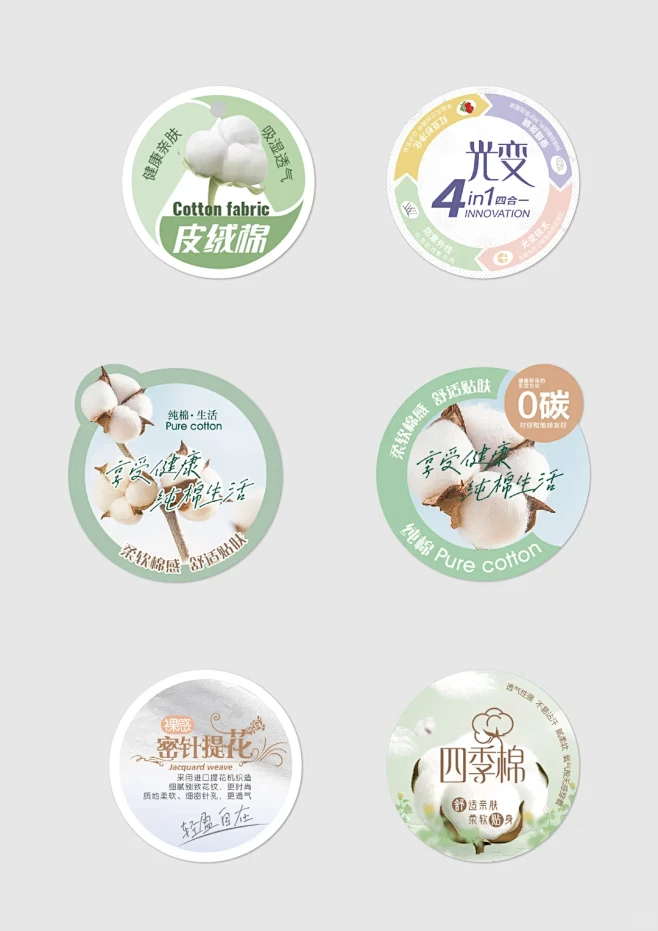
- Hang tags, product cards, care information, and brand inserts.
- Dust bags or reusable textile bags for shoes, accessories, and premium garments.
Secondary and e-commerce packaging
- Folding cartons, rigid boxes, and box wrapping paper.
- Paper or plastic mailers, corrugated shipping boxes, and return-ready packaging.
- Tape, seals, ribbon, void fill, and protective inserts.
Transport and operational packaging
- Master cartons, pallet wrap, carton labels, and warehouse protection.
- Temporary bags or liners used between the factory, distribution center, and store.
For each item, record dimensions, material, weight, annual volume, failure rate, and disposal route. This reveals where the biggest reductions are possible. In many programs, removing a redundant insert or reducing empty space is a faster and more measurable improvement than switching a small decorative component.
3. Compare the Main Sustainable Material Options
FSC-certified and recycled paper
Paper and paperboard are widely used for hang tags, folding cartons, rigid box wraps, sleeves, tissue, cards, and shipping boxes. They offer strong printability and a familiar recycling route in many markets, but performance depends on fiber source, construction, coatings, inks, adhesives, and local collection conditions.
For virgin fiber, ask whether an FSC-certified option is available and whether the supplier has the chain-of-custody scope required for the claim. The FSC chain-of-custody system tracks certified material through the supply chain. A material description alone does not automatically authorize a brand to use an FSC label or trademark on finished packaging.
Recycled paper can reduce reliance on virgin fiber, but buyers should confirm the recycled-content percentage, whether the fiber is pre-consumer or post-consumer, the expected shade variation, and whether the surface is suitable for the intended print and finishing. Dark flecks, color variation, and lower brightness may be acceptable—or even desirable—for some brand identities, while detailed graphics or small barcodes may need a more controlled surface.
For paper selection at hang-tag level, see How To Choose The Right Paper For Hang Tags and the practical comparison of coated paper and kraft paper.
Recycled-content plastic
Plastic should not be evaluated only by appearance or by a paper-versus-plastic slogan. For garment bags and weather-resistant mailers, a thin flexible film can provide efficient protection with relatively little material. When recycled-content film is being considered, buyers should distinguish post-consumer recycled content from post-industrial recycled content and request documentation for the percentage claimed.
Recycled film may have different color, clarity, odor, sealing behavior, or mechanical strength from virgin film. The acceptable range should be defined during sampling. If transparency is needed for warehouse scanning and product identification, high recycled content may require testing rather than being assumed to work.
For third-party recycled-content and chain-of-custody claims, the Recycled Claim Standard and Global Recycled Standard provide recognized certification frameworks. Certification status should be checked for the relevant supplier, material, transaction, and final claim; a logo shown on a general company page is not sufficient evidence for every order.
ANAN PACK can provide custom recycled polybags for fashion and apparel packaging projects. Recycled-content percentage, film thickness, clarity, printing, sealing performance, and whether the input is post-consumer or post-industrial should be confirmed in the project specification rather than assumed from the term recycled polybag.
GRS-certified options can be sourced through ANAN PACK's qualified partner factories. Buyers should confirm the factory's current certificate scope and request the documents applicable to the selected material and order before using a GRS claim or logo.
Paper mailers and corrugated shipping formats
Paper mailers and corrugated boxes can be strong options for e-commerce when the product does not require a high moisture barrier. Their sustainability performance improves when dimensions are optimized, empty space is reduced, and the package remains easy to flatten and sort. Buyers should check whether coatings, bubble layers, release liners, large labels, or mixed-material windows affect local recycling.
A paper format can still fail the sustainability objective if it is unnecessarily heavy or needs an additional plastic liner to protect the garment. Test realistic rain exposure, compression, tearing, and the return journey before replacing the existing format.
Reusable textile packaging
Textile packaging can be produced in different fabrics depending on presentation, durability, and cost requirements. Common dust bag materials available through ANAN PACK include cotton, satin, velvet, and nylon. The best option depends on the product, intended reuse, printing method, construction, and target price.
Consider material weight, stitching, drawcords, washability, durability, and whether the customer has a reason to keep the bag. A heavy textile bag used once may have a greater material footprint than a lightweight protective sleeve. If recycled textile content is claimed, ask for traceability documents and confirm which certification applies to the exact product.
For product formats, compare the intended use with available dust bag options rather than specifying a reusable bag without a defined reuse purpose.
Compostable and biodegradable materials
Compostable and biodegradable are not interchangeable with recyclable, plastic-free, or harmless in every environment. Performance depends on the material, certification standard, temperature, humidity, time, and the availability of the correct collection and treatment system. Industrially compostable packaging may not break down in a home compost bin, and compostable film placed in a conventional plastic recycling stream may be treated as contamination.
Before choosing this route, identify the target market, the recognized certification, whether collection facilities are realistically available, and how the disposal instruction will be communicated. Avoid making a broad biodegradable claim without explaining the conditions and timeframe supported by evidence.
For projects that require this material route, ANAN PACK can offer corn-starch-based biodegradable bags and other bag options intended for home composting. Because formulations and supporting documents vary, the exact material composition, applicable home-composting standard, test report, storage conditions, shelf life, and disposal wording should be confirmed for each project before the claim is printed.
Mono-material and simplified constructions
Reducing material complexity is often more practical than adding a new environmental label. A mono-material or easily separable construction may improve sorting, while removing lamination, magnets, foam, plastic windows, or decorative layers can reduce both weight and disposal confusion. The best result still depends on local infrastructure and whether simplification compromises product protection.
For premium packaging, focus on structural efficiency: reduce board thickness where performance permits, size the box to the product, limit removable inserts, and use decoration selectively. Luxury does not require maximum material use.
4. Check Claims, Certifications, and Market Requirements
B2B buyers should separate three questions: What is the material made from? Which organization verifies the claim? Can the finished packaging carry the proposed wording or logo in the destination market? Each question needs documentation.
Use specific environmental language
The U.S. FTC Green Guides advise marketers to avoid broad, unqualified claims such as green or eco-friendly because they can imply benefits that are difficult to substantiate. Specific wording is clearer for buyers and consumers.
Prefer a documented statement such as “made with 60% post-consumer recycled content” or “FSC-certified paper” over an unsupported statement such as “100% eco-friendly packaging.”
Every percentage, certification logo, recyclability statement, and disposal instruction should match the actual material and order. Keep supplier certificates, transaction documents, test reports, approved artwork, and claim wording together in the product file.
Plan for the European Union packaging rules
Brands selling into the European Union should review the EU Packaging and Packaging Waste Regulation. Its requirements apply in phases and address packaging reduction, recyclability, recycled content for certain plastic packaging, labeling, and other market obligations. Because requirements and dates differ by packaging type and business role, use market-specific compliance advice before final production.
A global fashion brand may need different disposal labels or material choices across markets. Build this variation into the artwork and procurement plan early instead of adding stickers after packaging has already been produced.
Verify certification scope
A supplier may offer both certified and non-certified materials. Confirm that the quotation, order, invoice, and supporting documents identify the correct certified input and claim. Also confirm whether the converter's certification covers the relevant product category and process. Certification should be treated as a controlled supply-chain attribute, not as a general marketing adjective.
5. Match Materials to Each Packaging Component
Garment protection bags
Prioritize puncture resistance, seam strength, closure performance, ventilation, product visibility, and the minimum thickness that protects the garment. Compare virgin film, documented recycled-content film, paper sleeves, and reusable formats against actual handling conditions. Do not remove moisture protection if it creates a higher risk of damaged inventory.
ANAN PACK can supply recycled polybags for garment protection. A useful quotation request should state bag dimensions, film thickness, closure, ventilation holes, print coverage, required recycled-content documentation, annual quantity, and whether a GRS-certified supply route is required.
E-commerce mailers
Evaluate right-sizing, tear resistance, weather exposure, tamper evidence, return usability, label adhesion, and the recovery route. A dual-seal return strip can reduce the need for a second package, but it should be tested with the brand's warehouse and carrier process.
Hang tags and product cards
Paper weight, stiffness, print method, surface texture, finishing, string attachment, and barcode readability matter. FSC-certified or recycled paper can be specified where available, and unnecessary lamination can often be removed. ANAN PACK can provide coated art paper, white cardstock, kraft, textured, and dyed-through paper for custom hang tags, including FSC material options.
For a closer view of tag formats, visit custom hanging tags. For custom-logo hang tags, ANAN PACK's general MOQ is 1,000 pieces per style per color, and sampling is approximately five days. These figures apply to hang tags; MOQ and sample timing for other packaging components vary by construction and material.
Folding cartons, rigid boxes, and sleeves
Start with the smallest structure that protects and presents the product. Review board caliper, recycled or certified fiber options, insert requirements, wrapping paper, decoration, and pack-out efficiency. ANAN PACK can supply folding cartons, complete rigid boxes, box wrapping paper, and printed sleeves as part of a coordinated packaging program.
Tissue paper, tape, and sealing details
Decorative layers should have a defined purpose. Compare the weight and dimensions of tissue paper, minimize excessive sheets, and check ink coverage and color transfer. For tape and sealing options, review adhesion, backing material, recyclability guidance, and whether the tape is compatible with the chosen mailer or carton.
Paper tape is also available through ANAN PACK. Special backing materials, adhesives, inks, coatings, certification requirements, and performance under different temperatures or shipping conditions should be reviewed through a project-specific enquiry.
6. Build a Supplier Brief That Produces Comparable Quotations
A vague request for sustainable packaging will produce quotations that cannot be compared fairly. Give each supplier the same written brief and request alternatives with the differences clearly identified.
- Product type, packed dimensions, unit weight, and any sharp or delicate features.
- Sales channel, transport route, climate exposure, expected storage time, and return requirements.
- Target packaging dimensions and current packaging weight, if available.
- Preferred material, minimum recycled-content percentage, fiber certification, or other verified requirement.
- Print colors, ink coverage, finish, coating, lamination, adhesive, closure, and accessory details.
- Target markets and the exact environmental claims or labels under consideration.
- Forecast volume, order frequency, number of styles and colors, delivery locations, and launch date.
- Required certificates, transaction documents, laboratory tests, and quality tolerances.
- Request for a lower-material or lower-complexity alternative, even if a reference construction is supplied.
Ask the supplier to identify any element that makes the package difficult to recover, such as a mixed-material window, non-separable insert, heavy lamination, or unsupported disposal claim. This turns sourcing into a joint engineering exercise rather than a material shopping list.
7. Sample and Test Before Approving Bulk Production
A sustainability target does not replace quality control. Test the package in the same way it will be packed, stored, shipped, opened, returned, and disposed of.
- Prototype the correct size and construction, not only a flat material swatch.
- Pack the actual garment or accessory and check fit, movement, snagging, color transfer, and presentation.
- Test tearing, puncture, abrasion, compression, humidity, water exposure, adhesive performance, and seal strength as relevant.
- Confirm that barcodes, QR codes, care information, and recycling instructions remain readable after handling.
- Run a small packing-line or warehouse trial to measure packing speed and identify operational problems.
- Conduct transit testing with realistic shipping cartons and routes, including the return journey for e-commerce packaging.
- Approve color, dimensions, material composition, tolerances, artwork, and claim wording in a signed specification.
Record the reason for the selected material and the test result. This evidence helps future teams understand whether a change genuinely improved the packaging system and gives procurement a baseline for supplier comparisons.
8. Common Mistakes to Avoid
- Replacing plastic with heavier paper without comparing product protection, total material weight, and transport implications.
- Using the terms recyclable, biodegradable, compostable, natural, or eco-friendly without evidence and market-specific qualifications.
- Assuming an FSC logo, GRS logo, or recycled-content claim can be used because a supplier offers some certified materials.
- Adding a reusable bag that customers have little reason to reuse.
- Choosing a compostable format where the target market has no suitable collection or treatment route.
- Focusing only on consumer-facing packaging while ignoring factory, warehouse, and transport materials.
- Changing material without testing packing-line speed, label adhesion, shipping damage, and returns.
- Comparing unit price without comparing dimensions, thickness, weight, defect risk, and documentation.
Avoiding these errors makes the sourcing process more credible and often reduces cost as well as material use.
9. Questions to Ask a Sustainable Fashion Packaging Supplier
- What is the exact material composition and weight per finished unit?
- What percentage is recycled content, and is it post-consumer or post-industrial?
- Which certificate applies to the material, converter, and specific order?
- Can you provide valid scope certificates and transaction documentation where required?
- Which inks, coatings, adhesives, laminations, and accessories are included?
- Can the construction be simplified, right-sized, or made lighter without reducing protection?
- What quality variation should we expect in recycled or natural materials?
- What tests do you recommend for our product and shipping route?
- What are the MOQ, sampling time, bulk lead time, and tolerance for this exact construction?
- How should the final packaging claim and disposal instruction be worded for our target market?
The best sustainable fashion packaging supplier should be able to explain trade-offs and provide traceable specifications. If a claim cannot be supported in writing, it should not be printed on the package.
10. A Practical Selection Checklist
Before approving a material, confirm the following:
- The packaging component is necessary and correctly sized.
- The material protects the product through the full distribution cycle.
- The construction uses the lowest practical material weight and avoids unnecessary mixed layers.
- Fiber source, recycled content, or compostability claims are supported by appropriate documents.
- The disposal route exists in the main destination markets and the instruction is understandable.
- Printing and finishing do not undermine function, recovery, or claim accuracy.
- Samples have passed product, packing-line, shipping, and return tests.
- The final specification, approved sample, artwork, and evidence file all match.
- MOQ, lead time, consistency, and cost work for the brand's purchasing plan.
Frequently Asked Questions
Is paper always more sustainable than plastic for fashion packaging?
No. The answer depends on material weight, sourcing, product protection, transport, reuse, and the local recovery system. Paper can be effective for tags, cartons, wraps, and some mailers; flexible film may use less material and provide better moisture protection for certain garment flows. Compare the complete use case.
What is the difference between FSC paper and recycled paper?
FSC certification relates to responsible forest-based supply chains and chain of custody. Recycled paper describes fiber content. A paper product may be FSC-certified, recycled, both, or neither. Buyers should specify the desired claim and request documents for the actual order.
Should a fashion brand use compostable garment bags?
Only after confirming product performance, the correct certification, target-market collection, and clear disposal instructions. Compostable packaging is not automatically suitable for home composting or conventional recycling.
What should a recycled-content claim include?
State the supported percentage and, where relevant, whether the content is post-consumer or post-industrial. Keep supplier evidence and confirm that the claim applies to the finished component, not just one input material.
How can brands reduce packaging without changing every material?
Remove redundant components, reduce empty space, lower material weight where tests allow, simplify mixed-material constructions, coordinate packaging across channels, and design e-commerce packs for returns. These changes can be measured even before a full material transition.
Choose a System You Can Explain and Verify
Sustainable packaging materials for fashion brands should be selected through a repeatable process: audit the full packaging system, define performance requirements, reduce unnecessary material, compare credible options, verify claims, and test the finished construction. The goal is not to find a perfect material. It is to make a documented improvement that protects the product and works in the real market.
ANAN PACK is a one-stop packaging accessories platform supporting coordinated development across hang tags, folding cartons, rigid boxes, box wrapping paper, printed sleeves, and related fashion packaging materials. Paper choices include coated art paper, white cardstock, kraft, textured paper, dyed-through paper, and a broad range of specialty papers, with FSC options available for relevant projects.
For lower-impact packaging programs, available directions include recycled polybags, GRS-certified options through qualified partner factories, corn-starch-based biodegradable bags and other home-compostable bag options, paper tape, and dust bags in cotton, satin, velvet, or nylon. Special materials and certification combinations require individual consultation so that feasibility, documents, MOQ, sampling, and performance can be confirmed for the exact construction.
Share your product dimensions, distribution route, target markets, material priorities, artwork, quantities, and required claims through the ANAN PACK contact page. The team can help organize the specification, sampling, and quotation process for a packaging set rather than treating each component in isolation. You can also review the custom packaging service process before preparing your sourcing brief.