
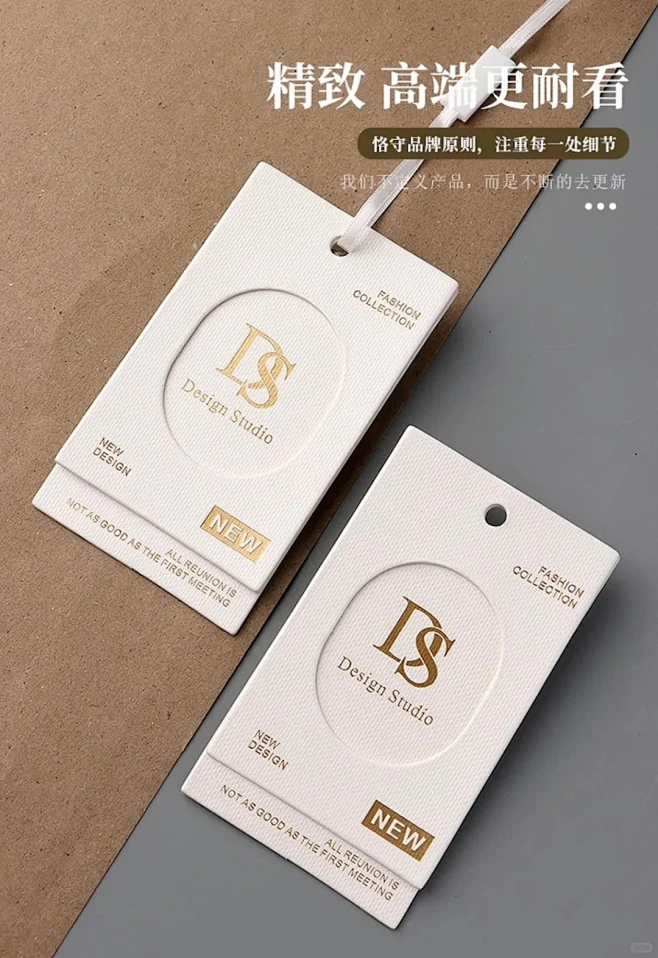
When B2B buyers compare coated paper vs kraft paper for packaging, the right answer depends on the job the material must perform. Coated paper usually gives greater control over color, fine graphics, and premium finishing. Kraft paper usually delivers a more natural surface character and is available in grades designed for strength and demanding packaging applications.
Neither option is automatically better, cheaper, or more sustainable. A reliable material decision should consider the packaging format, artwork, product protection, finishing, order volume, target market, sourcing documents, and the way the packaging will be handled from production to retail or e-commerce delivery.
This guide compares the two materials from a procurement and production perspective, helping brands select custom packaging paper materials with fewer sampling revisions and fewer surprises during bulk production.
The Short Answer For B2B Packaging Buyers
Choose coated paper when accurate brand color, photographic detail, smooth solid ink coverage, or premium decorative finishing is the priority.
Choose kraft paper when the natural paper surface supports the brand, the artwork can work with a brown or warm-toned base, and the selected grade provides the strength and converting performance required by the packaging format.
Consider a coordinated system rather than forcing one material across every component. A brand may use coated paperboard for a premium retail carton, kraft paper for a shipping or wrapping element, and a complementary stock for hang tags or inserts. The materials should still feel visually connected through color, typography, and finishing.
What Coated Paper Means In Custom Packaging
In this comparison, coated paper refers to graphical paper or paperboard with a mineral-pigment coating designed to improve surface smoothness and control how ink interacts with the sheet. It does not refer to kraft paper with a polyethylene, wax, or functional barrier coating.
This distinction matters in B2B sourcing. “Coated paper” can describe a print surface, while “coated kraft” may describe a functional barrier construction. Buyers should ask the packaging paper supplier to state the base paper, coating type, coating side, and intended end use on the material specification.
Holmen explains how coating composition, surface sizing, and absorbency influence ink setting, drying, and print consistency. See its technical guide to ink absorption on paperboard.
Common coated options used in branding and packaging include coated art paper, coated white cardstock, one-side coated board, and two-side coated premium board. The correct grade depends on whether the paper is used as a structural board, a printed tag, an insert, or a wrapping sheet mounted onto another board.
As a one-stop packaging accessories platform, ANAN PACK can coordinate custom hang tags, folding cartons, box wrapping paper, printed sleeves, and related packaging materials. This allows buyers to compare coated and kraft options across a complete packaging system instead of sourcing each component from a separate supplier.
What Kraft Paper Means In Custom Packaging
Kraft paper is available in natural brown, bleached white, recycled-content, smooth, machine-glazed, extensible, and specialty grades. It should not be treated as one universal material.
Natural kraft has a visible fiber character and warm base color. White kraft provides a cleaner printing base while retaining properties associated with the selected kraft grade. Some kraft papers are engineered for bags and wraps, while heavier boards or laminated structures may be used for tags, sleeves, and other rigid applications.
Mondi describes specialty kraft ranges that combine different levels of strength, smoothness, porosity, and printability for specific packaging uses. Its kraft paper portfolio illustrates why buyers should select a defined grade rather than requesting “kraft paper” without a performance brief.
Coated Paper vs Kraft Paper: The B2B Comparison
1. Print Quality And Color Control
Coated paper is normally the stronger starting point for artwork with photography, gradients, small typography, detailed patterns, or tightly controlled brand colors. Its smoother surface helps create sharper detail and more even color appearance.
Natural kraft changes the visual result because the brown base influences printed colors. Light colors have less contrast, and process colors may appear warmer or more muted. This is not necessarily a disadvantage: simplified artwork, dark spot colors, white ink, or metallic foil can create a strong result when the design is developed specifically for kraft.
Do not approve kraft packaging only from a digital screen proof. A physical printed sample is necessary because the substrate color becomes part of the artwork.
2. Surface Feel And Brand Positioning
Coated paper often communicates precision, polish, and controlled presentation. Matte, gloss, or soft-touch finishing can move the same printed design toward modern, commercial, or luxury positioning.
Kraft paper communicates visible material character. It can support natural, handmade, outdoor, vintage, minimalist, and sustainability-led brand identities. However, using kraft does not automatically make a package premium or responsible. Structure, printing quality, edges, construction, and verified sourcing still determine the final impression.
For additional premium material options, see Best Paper Materials For Luxury Brand Packaging.
3. Strength And Structural Performance
The word “kraft” is associated with strong paper grades, but final packaging strength cannot be predicted from the material name alone. Fiber composition, grammage, thickness, moisture, grain direction, board construction, creasing, adhesive, and package design all affect performance.
Coated paper may be a lightweight printed wrap, a structural paperboard, or one layer in a multi-part construction. When protection or stacking performance matters, the structural board and finished package must be tested rather than judged only by the printed outer surface.
B2B buyers should define the required function first: is the material carrying weight, protecting a product, resisting bending, surviving shipping, or primarily presenting the brand? The packaging format should then be sampled using the actual product.
4. Printing And Decorative Finishes
Coated paper is commonly selected for offset or digital printing, foil stamping, spot UV, lamination, embossing, debossing, and other high-detail finishes. The exact compatibility depends on the grade, coating strength, ink system, finishing area, and converting equipment.
Stora Enso notes that smooth coated boards can support demanding printing and finishes such as embossing and foil stamping. Its graphical paperboard guidance also recommends matching the board to the intended graphical and converting requirements.
Kraft can also be foil stamped, embossed, screen printed, or printed with opaque inks. The result is usually more material-led and less uniform than a smooth white coated surface. Intricate foil, fine reversed text, and large solid colors should be tested before the artwork is finalized.
For ANAN PACK kraft paper projects, available production options include white ink, screen printing, foil stamping, embossing, debossing, and custom die-cutting. Each combination should still be sampled because the paper shade and surface texture influence ink opacity, foil detail, and the appearance of raised or recessed areas.
5. Cost, MOQ, And Production Consistency
It is not reliable to assume that kraft paper is always less expensive. Total cost depends on paper grade, grammage, certification, recycled content, stock availability, printing coverage, white ink, finishing, structure, converting waste, order quantity, and shipping efficiency.
A simple one-color kraft design may reduce printing complexity. A premium specialty kraft with white ink, multiple foils, and custom construction may cost more than a standard coated option. Likewise, coated paper can be economical when the grade, format, and printing method match the production volume.
For repeat B2B orders, consistency can be more important than the lowest first quotation. Ask whether the exact paper grade and shade can be sourced again, whether substitutions require approval, and how color variation will be controlled between batches.
For custom-logo paper hang tags, ANAN PACK’s typical minimum order quantity is 1,000 pieces per style per color, with sampling normally taking approximately five days after the artwork, material, size, and finishing details have been confirmed.
These figures apply to hang tags only. Folding cartons, box wrapping paper, printed sleeves, and other packaging accessories have different production methods and material requirements, so their MOQ and sampling schedule must be confirmed for the specific item and specification.
6. Sustainability And Material Claims
Kraft is not automatically the more sustainable option, and coated paper is not automatically difficult to recycle. The answer depends on fiber source, recycled content, coating chemistry, lamination, adhesives, inks, finishing, material weight, product protection, and the collection systems in the destination market.
Natural appearance should never be used as proof of environmental performance. Request documentation for certified or recycled fiber claims and identify exactly which component of the finished packaging the claim covers.
When FSC labeling or promotional claims are required, confirm chain-of-custody and trademark requirements with an eligible supplier. See the official FSC Chain of Custody guidance.
ANAN PACK can also provide FSC-certified material options for relevant coated paper and kraft paper packaging projects. Availability and supporting documentation should be confirmed against the selected material, packaging component, and order specification.
Which Packaging Applications Suit Each Material?
Coated Paper Is Often Suitable For
- Premium folding cartons and printed sleeves
- Full-color retail packaging
- Luxury box wrapping papers
- Product cards and branded inserts
- Hang tags with fine graphics or photography
- Packaging that relies on foil, spot UV, or controlled solid colors
Kraft Paper Is Often Suitable For
- Natural or minimalist hang tags
- Wrapping papers, sleeves, and retail inserts
- Packaging systems using restrained one- or two-color artwork
- Outdoor, lifestyle, handmade, or sustainability-led brand presentation
- Applications where the selected kraft grade provides the required strength or flexibility
- Brown or white kraft components designed around the actual packing and shipping workflow
A Mixed Material System May Be Better When
- Retail presentation and shipping protection require different performance
- The primary package needs precise color but secondary components can use a natural paper
- One consistent material would force unnecessary finishing or over-specification
- The brand wants to balance premium graphics with visible material character
When combining materials, keep recycling instructions and separation practical. Avoid adding mixed layers only for appearance when a simpler construction can achieve the same result.
A B2B Decision Framework For Paper Packaging Materials
Use the following sequence before requesting quotations:
- Define the packaging format and the product it must hold or support.
- Describe the retail, warehouse, and shipping conditions.
- Identify the non-negotiable visual requirement: color accuracy, natural texture, tactile finish, or structural feel.
- Provide final dimensions, target quantity, number of SKUs, and expected reorder frequency.
- List required printing, foil, coating, lamination, embossing, die-cutting, and assembly processes.
- Specify any FSC, recycled-content, or market-specific documentation requirements.
- Request material samples and a finished prototype using the actual artwork.
- Approve color, structure, finishing, attachment, and packing method before bulk production.
This process gives the custom packaging supplier enough information to compare suitable grades rather than quoting two materials that look similar but perform differently.
Artwork And Sampling Checklist
- Confirm whether the artwork was designed for a white or brown paper base.
- Supply CMYK or Pantone references and identify critical brand colors.
- Check small text, reversed text, barcodes, and QR codes on the physical stock.
- Test white ink and opaque colors on natural kraft.
- Review foil detail and embossing depth on the selected surface.
- Inspect folds, creases, cut edges, holes, and adhesive areas.
- Evaluate scuffing and ink rub after normal handling.
- Place the actual product inside or attach the tag to the product.
- Keep an approved sample and color standard for bulk inspection.
For hang-tag-specific considerations, see How To Choose The Right Paper For Hang Tags and explore ANAN PACK’s custom hang tag options.
Questions To Ask A Packaging Paper Supplier
- What is the exact paper or board grade?
- Is it coated on one side or two sides?
- Is the coating graphical, water-based, plastic, wax, or another functional barrier?
- What are the grammage, thickness, stiffness, and fiber specifications?
- Can the same grade and shade be supplied for repeat orders?
- Which printing and finishing processes have been tested on this stock?
- What certification or recycled-content documents are available?
- What substitutions are permitted, and will buyer approval be required?
- How will color and material consistency be checked during production?
- Can the supplier provide a finished sample using the actual artwork and construction?
What ANAN PACK Sees In Real Hang Tag Projects
Based on ANAN PACK’s day-to-day customer enquiries, coated paper is selected more often than kraft paper for custom hang tags. B2B buyers commonly choose coated paper because it supports controlled brand colors, detailed logo printing, and a wider range of familiar premium finishing combinations.
Kraft paper represents a smaller share of hang tag enquiries, but it remains the right choice for brands whose visual direction depends on natural color, visible fiber character, restrained artwork, or a more material-led presentation. The lower frequency does not make kraft an inferior option; it simply serves a more specific brand position.
The final recommendation should therefore follow the artwork, target customer, retail environment, finishing plan, and brand identity rather than a universal material ranking.
Final Recommendation
Choose coated paper when your packaging depends on controlled color, fine printed detail, or premium surface finishing. Choose kraft paper when its material character supports the brand and the specified grade delivers the strength, printability, and converting performance your packaging requires.
For B2B packaging procurement, the best choice is the one that performs consistently across artwork approval, production, packing, shipping, retail presentation, and repeat orders. Compare finished samples and documented specifications rather than choosing from appearance or material name alone.
ANAN PACK supports brands with material selection, structural planning, sampling, quality control, and coordinated packaging production. Explore our Fashion & Apparel Packaging Solutions, review our supply chain services, or contact our team with your packaging format, artwork, quantity, finishing requirements, and target market.